
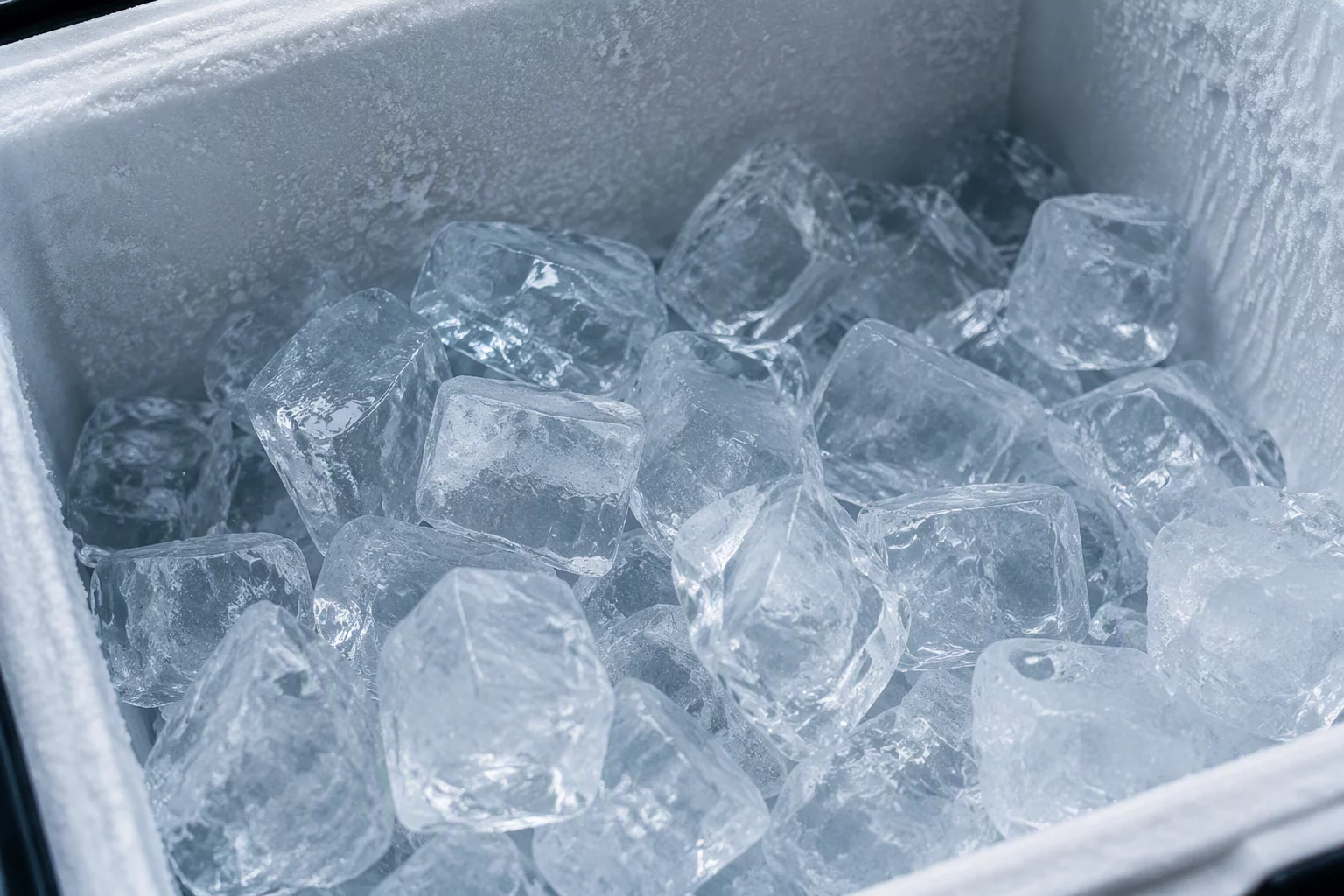
Essential Techniques for Long-Lasting Cold Retention
Nothing disrupts a remote camping trip or boat day faster than finding drinks floating in lukewarm water after just 24 hours. Premium rotomolded coolers provide incredible wall insulation, yet thermal efficiency remains heavily dependent on preparation and loading physics. Implementing the right routine extends ice life from a single afternoon to nearly a full week.
When venturing into remote wilderness or heading out for a seaside holiday, proper cooler preparation separates melted slush from solid, sub-zero freshness. By mastering thermal prep, sensible layering, and proper storage protocols, you can maximize ice retention for multiple days without replenishment.
5 Field-Proven Ice Retention Strategies
- 1. Pre-Chill the Cooler Walls: Storing a cooler in a warm garage charges its insulation with residual heat. Place sacrificial ice bags or reusable cold blocks inside 6 to 12 hours before final packing to bring interior temperatures below freezing.
- 2. Combine Solid Blocks with Cubes: Large solid ice blocks melt slowly due to low surface area, while cubed ice fills gaps between beverage cans and food containers to pull down initial contact temperatures rapidly.
- 3. Follow the 2:1 Ice-to-Contents Ratio: Dedicate two-thirds of your cooler volume to ice and only one-third to provisions. Packing a cooler half-full of ambient items quickly drains thermal reserves.
- 4. Eliminate Dead Air Space: Warm ambient air trapped inside accelerates phase transformation. Fill excess headroom with an insulated foam mat, reflective bubble wrap, or cold damp towels across the top layer.
- 5. Keep Lids Latched and Elevated from Direct Heat: Open the cooler swiftly and latch both rubber T-grips tightly every time. Place your cooler in deep shade on a wooden rack to isolate it from scorching gravel, truck beds, or boat decks.
Pro Expedition Tip
Never drain melted water during mid-trip unless replacing with fresh ice. Cold water insulates remaining ice cubes far better than warm ambient air pockets.
Community Discussions
0 CommentsNo comments yet.
Be the first to share your field experience or cold-retention setup!